
About Varicose veins of the vulva and vagina
The circulatory system is made up of both veins and arteries. Arteries deliver fresh oxygen-rich blood from the heart to all tissues and veins then collect the oxygen-depleted blood again and transport it back to the heart.
The heart will pump blood through the arteries, but not all the way through the veins.
In the lower limbs, blood requires a different transport system to return it, against gravity, back to the heart. This transport system is made up of a pump again, the “calf pump” and one way valves within the veins.
It is for this reason that walking is a great way to keep your legs healthy, since the calf pump is activated all the time.
Broken one-way valves in the legs will cause blood to flow back through the vein and pool in the lower legs, this is known as venous reflux, and often presents as varicose veins. Varicose veins are large blue tortuous vessels that bulge from the surface of the skin.
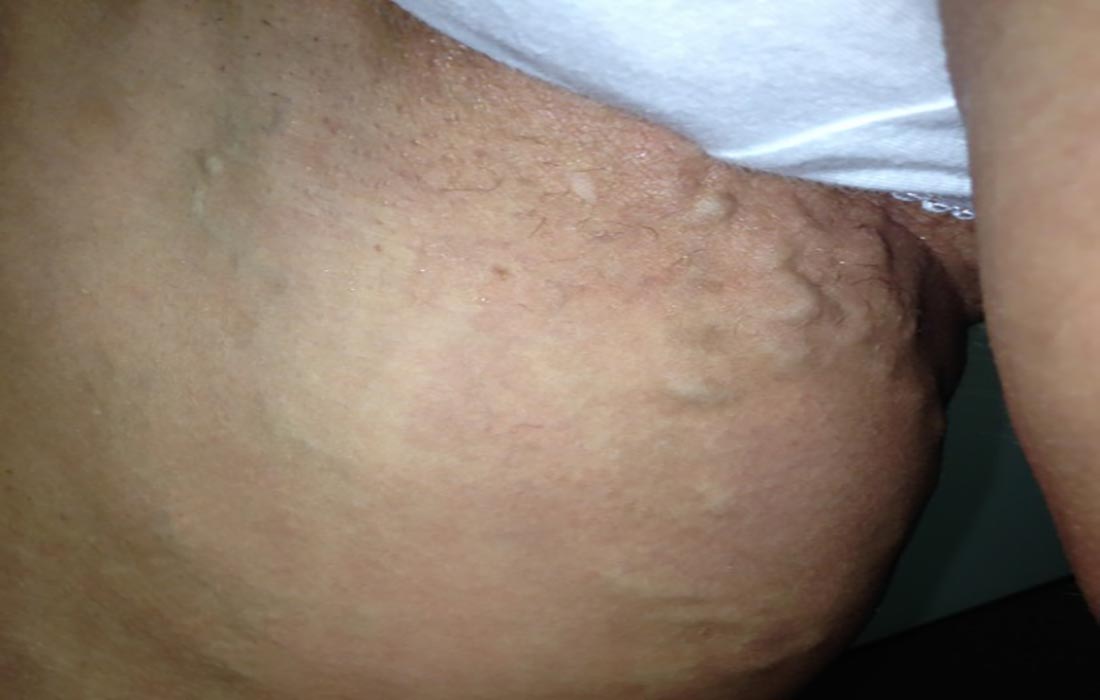
Varicose Veins of the vagina and vulva(external genitalia)
Varicose veins of the vulva and vagina?
Recent studies have shown that vulvar and vaginal varicose veins are due to the increased levels of estrogen and progesterone during pregnancy. About 10% of women are affected during their second trimesters. Most women don't even realise that they have vulva or vaginal varicose veins, unless told by a partner or healthcare provider.
What are the symptoms of vulva and vaginal varicose veins
Due to their location, these veins can cause heaviness or fullness in the groin area, itching with inflammation, discomfort on physical exertion and pain during intercourse or at rest. Pain during intercourse also called dyspareunia may persist for a year or more after delivery.
Will I get varicose veins in other parts of my body?
Varicose veins are very common during pregnancy. Sites other than the legs include the rectum as piles, vulva and vagina. Vaginal or vulval varicose veins can be distressing, but will clear up in most cases once the baby is born. If they persist, then book an appointment to see us, they can be treated.
Treatment of vulva or vaginal varicose veins?
Treatment of vulva and vaginal varicose veins is delayed until after the birth of your baby. The ideal time to assess a patient for these veins is 6 - 12 months after delivery.
Treatment is based on the source of venous reflux. Our preferred method of treatment is ultrasound guided foam sclerotherapy.
Treatment options during pregnancy are limited to supporting the distended veins.
- Swim often - swimming is great exercise, will alleviate the pressure of the baby on your veins and improve pelvic bloodflow
- Cold compresses - apply these to the vulva
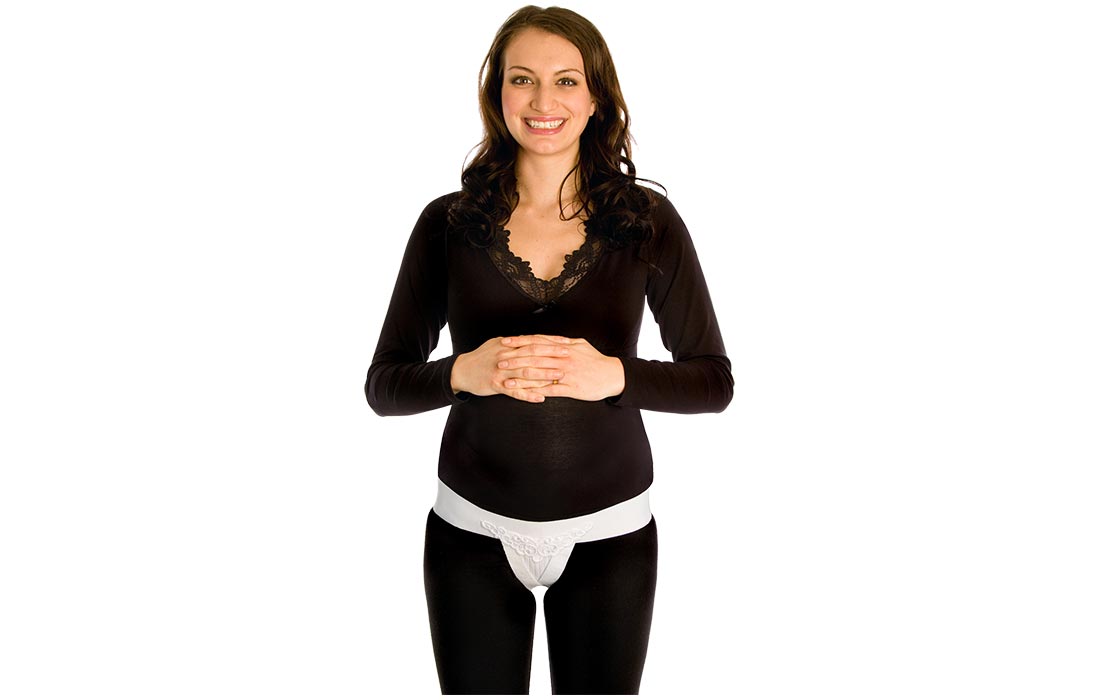
- Get a support garment - look for one that specifically supports the vulva.
- Move around - don't stand or sit for long periods without changing position.
- Leg elevation - elevate from your hips down by placing a support behind your hips
- Sleep on your left side, this relieves the pressure on your large veins
- Use graduated compression stockings
Pelvic vein reflux and pelvic congestion
Vulval and vaginal varicose veins are often fed by refluxing veins higher up in the pelvis, most commonly the ovarian veins or internal iliac tributaries. In some women this same pelvic reflux also causes a dull pelvic ache that is worse on standing, worse before a period and worse after intercourse, a pattern sometimes described as pelvic congestion.
This matters for treatment. Treating only the visible vulval veins, without identifying where they are being fed from, is a common reason for early recurrence. Assessment therefore looks beyond the visible veins, and may include imaging of the pelvic veins where the history suggests it1.
What assessment involves
We understand these veins are a sensitive subject, and that many women delay seeking advice because of embarrassment. Assessment is straightforward and conducted with care and privacy, by a female sclerotherapist where you prefer.
It begins with a discussion of your symptoms and pregnancy history, followed by a duplex ultrasound scan of the leg and groin veins to establish where the reflux arises. From that we can explain which veins are involved and what treatment, if any, would help. There is no obligation to proceed at that visit.
What to expect from treatment
Ultrasound guided foam sclerotherapy is our usual approach for these veins. It is performed in our rooms under local anaesthetic where needed, takes well under an hour, and you walk out afterwards. Compression is worn for several days.
More than one session is often required, particularly where the veins are extensive. Symptoms such as heaviness and discomfort commonly improve before the veins become less visible. Side effects are those of foam sclerotherapy generally, including bruising, tenderness and pigmentation along the treated veins — these are described in more detail on our foam sclerotherapy page. * Individual results may vary.
If you are planning a further pregnancy, tell us. Vulval veins commonly return in a subsequent pregnancy, and this may influence whether to treat now or wait.
References
- De Maeseneer MG, Kakkos SK, Aherne T, et al. European Society for Vascular Surgery (ESVS) 2022 clinical practice guidelines on the management of chronic venous disease of the lower limbs. Eur J Vasc Endovasc Surg. 2022;63(2):184–267. ESVS guideline
Written and medically reviewed by Dr Johan Blignaut, MBChB (UOFS), FCS(SA)SURG, Specialist Surgeon.
Last medically reviewed: August 2026. This page is reviewed periodically and updated when clinical practice changes. It is general information, not medical advice – see our terms and medical disclaimer.